IA Agéntica: El multiplicador de amenazas de 2026 que está transformando los ciberataques
Cómo los agentes de IA autónomos están acelerando los ataques—y qué deben hacer los defensores para mantenerse al día
Conclusiones principales
- A diferencia de la IA generativa, la IA agéntica puede planificar, adaptarse y persistir de manera autónoma, convirtiendo los ataques de múltiples etapas en operaciones continuas.
- Los controles de identidad sólidos, la segmentación de la red y la detección basada en el comportamiento siguen siendo eficaces contra los ataques de tipo agéntico cuando se aplican de manera consistente.
- La IA agéntica no se detiene después de un intento fallido; los modelos de amenaza y los planes de respuesta ante incidentes deben tener en cuenta los reintentos autónomos y la adaptación.
En 2026 están surgiendo varias amenazas nuevas, aunque la mayoría provienen de grupos que ya hemos visto antes. Grupos de ransomware como Qilin y Cl0p no son nuevos, pero se están moviendo más rápido y utilizando tácticas más sofisticadas. DireWolf y The Gentlemen se observaron en 2025, pero se están convirtiendo en grupos de gran velocidad con cientos de nuevas víctimas en 2026.
Una de las amenazas más peligrosas de 2026 no es un grupo, sino una herramienta que añade nuevas capacidades y permite ataques más rápidos. Los actores de amenazas han estado utilizando IA generativa (GenAI) durante años para escribir y localizar contenido de phishing y desarrollar malware para infectar a sus objetivos. Aunque esto acelera el robo de credenciales y el acceso inicial, todavía requiere intervención humana para introducir indicaciones, revisar resultados y tomar decisiones sobre los próximos pasos.
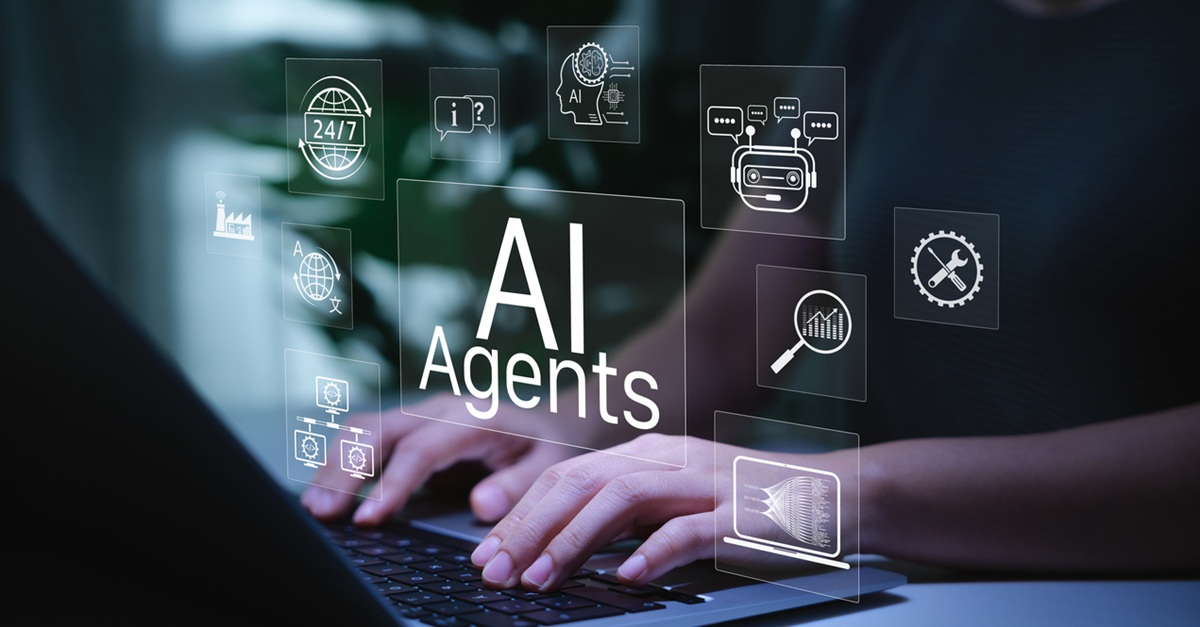
La IA agéntica añade un nuevo tipo de amenaza al panorama. Donde la IA generativa proporciona a los atacantes mejores herramientas, la IA agéntica les ofrece un socio colaborativo que puede planificar, actuar, observar, adaptarse y persistir sin su intervención. Estos ataques son más rápidos, más escalables y más peligrosos para las víctimas.
¿Qué es la IA agéntica?
La IA agentiva no es un único producto o herramienta, sino una arquitectura de sistemas que pueden planificar, decidir y ejecutar acciones en varios pasos hacia un objetivo específico. Estos sistemas suelen orquestar múltiples agentes de IA que pueden adaptar sus comportamientos en tiempo real. Un sistema de IA agéntica típicamente incluye lo siguiente:
- Modelo de lenguaje grande (LLM) o GenAI para razonamiento y generación de contenido
- Herramientas como APIs, escáneres y scripts
- Memoria para rastrear lo que ha sucedido a lo largo de los pasos
- Bucles de retroalimentación que permiten al sistema aprender y ajustar acciones futuras
- Políticas y reglas sobre lo que puede y no puede hacer
Esta combinación es lo que permite a la IA agéntica llevar a cabo ataques autodirigidos y orientados a objetivos. Puede pensar en la IA generativa como algo que realiza un trabajo excelente cuando se le da la instrucción adecuada, y en la IA agéntica como algo que puede llevar a cabo un proyecto cuando se le da un objetivo. Puede reunir los recursos, coordinar el trabajo y perseguir el objetivo de manera autónoma. En pocas palabras, la IA agéntica pone múltiples 'atacantes' independientes a disposición de un solo actor de amenazas. El agente es un operador que puede llevar a cabo ataques y tomar decisiones sobre la marcha. Los atacantes ya no necesitan un operador humano para ajustar malware o tácticas cuando un ataque es bloqueado. La IA agéntica puede responder y adaptarse mientras está dentro del sistema, y continuará intentándolo hasta que termine la operación o sea desactivada. Las tareas que anteriormente requerían que un actor de amenazas experimentado planificara, coordinara y ejecutara durante días o semanas ahora pueden delegarse a un agente que opera de manera continua hasta que logra su objetivo o es desactivado.
Estos ataques apenas están comenzando a surgir, y seguro que se acelerarán a lo largo del año. Los equipos rojos y los investigadores de seguridad ya están demostrando capacidades de ataque agéntico en entornos controlados, y los grupos criminales se están moviendo rápidamente para implementarlos. Ya hemos visto un claro ejemplo de ataque de IA de tipo agéntico cuando un agente malicioso atacó los cortafuegos FortiGate para obtener acceso y realizar reconocimientos en las redes de las víctimas. Puede obtener un desglose del ataque aquí.
Defensa contra ataques de IA agéntica
La buena noticia es que las defensas que más importan contra los ataques agénticos ya están accesibles. Controles de identidad fuertes, segmentación de red, detección basada en el comportamiento y una respuesta rápida y bien practicada ante incidentes pueden prevenir estos ataques o minimizar el daño. La brecha tecnológica entre defensores y atacantes es real, pero no insuperable.
Lo que se necesita es un cambio en la forma en que los defensores perciben la amenaza. Los modelos de amenaza deben basarse en la capacidad de las defensas para resistir un agente de ataque autónomo que puede ser más rápido que cualquier otro que haya visto antes. Una vez que el ataque está en su sistema, ¿pueden sus defensas resistir la inteligencia, la adaptabilidad y la persistencia del agente? Tenga en cuenta que el reconocimiento del ataque se produce de forma continua y automática, no solo en una fase previa al ataque definida. Además, los ataques bloqueados se reanudarán automáticamente una vez que el agente se adapte al bloqueo. El agente debe ser eliminado por completo para ser contenido.
También necesita incluir la monitorización basada en el comportamiento y las anomalías en su sistema. Busque accesos inusuales a herramientas de gestión, plataformas de automatización o cuentas de servicio que realicen acciones fuera de su patrón normal.
La IA agéntica representa un cambio fundamental en la forma en que se planifican y ejecutan los ciberataques, pero no hace que la defensa sea imposible. Las organizaciones que invierten en controles de identidad sólidos, detección basada en comportamiento y respuesta rápida ante incidentes estarán mejor posicionadas para interrumpir ataques autónomos antes de que puedan completar sus objetivos. Si aún no ha adaptado sus defensas para los ataques de IA agéntica, debería comenzar ahora.




Suscríbase al blog de Barracuda.
Regístrese para recibir Threat Spotlight, comentarios de la industria y más.